Real stories, real recovery

Stories of recovery, in their own words.

Every day, people arrive at Tranquil Minds carrying more than most of us will ever have to. These are their stories — the ones we’ve witnessed, and the ones they’ve chosen to share.

From crisis to independence

Laura’s story

“I never imagined I’d be where I am today.”

Follow Laura’s journey — five moments on the road from crisis to independence.
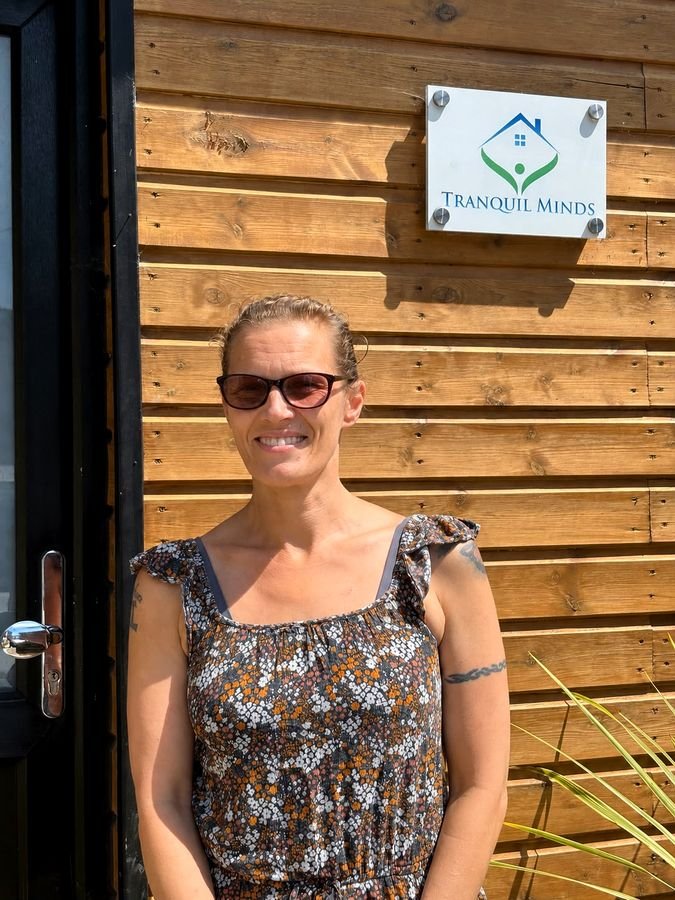
When Laura first arrived at Tranquil Minds, she had experienced some of the darkest moments imaginable. Following homelessness and sexual assault, she was living with overwhelming trauma while battling a severe addiction. Her confidence had disappeared and even maintaining her own room felt impossible.

Like many people who come through our doors, Laura didn’t need judgement.

She needed safety, stability and people who wouldn’t give up on her.

Over the following years, our team worked alongside Laura every day. Through trauma-informed support, regular welfare checks, one-to-one keywork and consistent encouragement, she slowly began rebuilding her life. Recovery wasn’t straightforward, but every small step mattered.

Perhaps the greatest achievement was rebuilding her relationship with her children. Today she sees them every week and is trusted to babysit them — something that once felt impossible.

Laura has now moved into independent living and hopes to return to Tranquil Minds one day — not as a resident, but as a support worker — using her own experience to support other women beginning their journeys.

In Laura’s own words

Before coming to Tranquil Minds, my life had completely spiralled out of control — family issues, past trauma, addiction and homelessness. I was sofa surfing and living in unsafe environments, and I had reached a point where I simply couldn’t cope anymore.

When I met Umar at Tranquil Minds, he offered me a room that same week — a safe place to call home and the chance to start rebuilding my life. Over two and a half years, the support I received transformed everything: my finances, my routines, my health, and my belief in myself.

I was able to reconnect with my family, rebuild relationships with my children and become part of my grandchildren’s lives. If you feel lost or have nowhere to turn, I cannot recommend Tranquil Minds enough. Thank you for believing in me when I couldn’t believe in myself.

— Laura
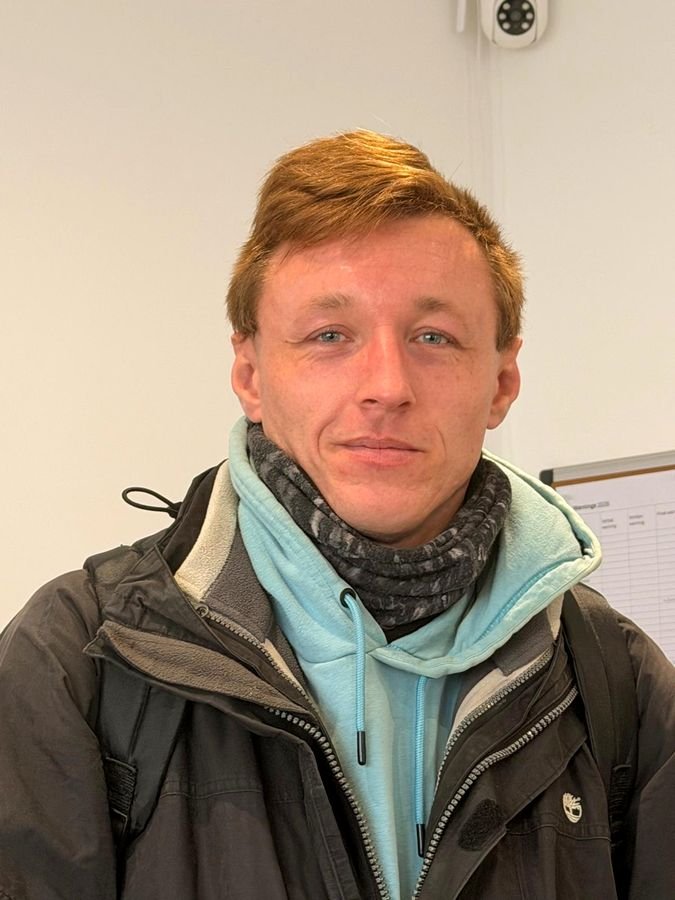
5+ months cocaine-free

Casey’s story

From surviving to thriving — rebuilding confidence, health and independence.

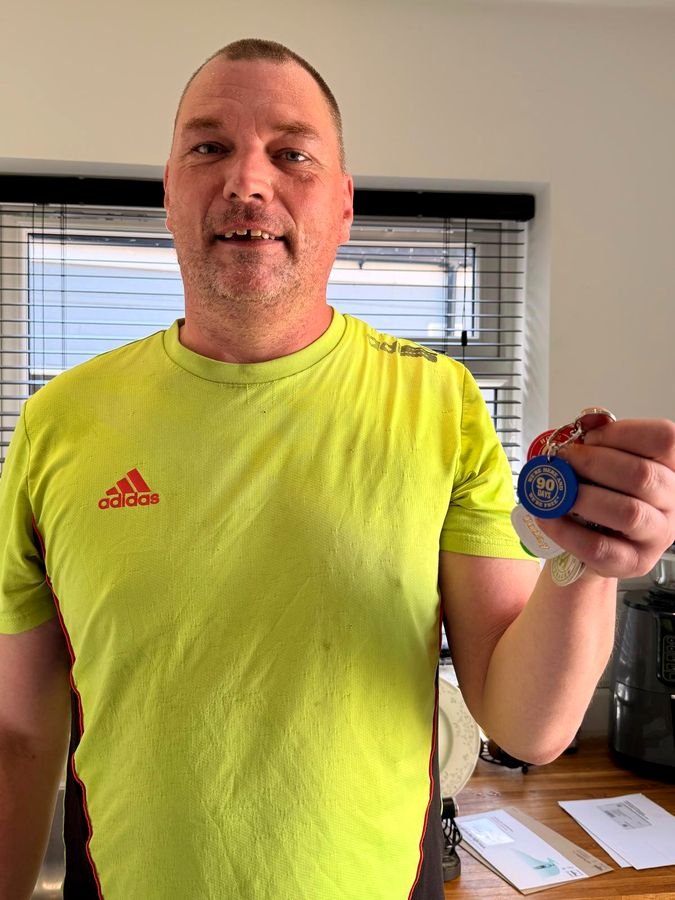
A fresh start, and the confidence to build on it — five moments from Casey’s recovery.

When Casey arrived at Tranquil Minds, he wanted something many people take for granted — a fresh start. For years, cocaine and alcohol had become his way of coping with stress, anxiety and difficult emotions. Shame and embarrassment often stopped him from being honest about what he was experiencing; like many people living with addiction, asking for help felt harder than struggling alone.

Behind Casey’s addiction was a young man carrying years of emotional pain. Having experienced bullying throughout school, he developed long-standing anxiety and low self-esteem, while family difficulties and financial pressures made it hard to believe life could improve.

At Tranquil Minds, we understood that lasting recovery would require far more than simply stopping substance use. Together, we created a personalised support plan focused on building confidence, improving emotional wellbeing, creating healthy routines and developing the practical skills needed for independent living.

The results have been remarkable. Casey has remained free from cocaine for more than five months and significantly reduced his alcohol consumption after recognising that many of his drinking habits were linked to the people he previously surrounded himself with. By changing his environment, he dramatically reduced the situations that once placed his recovery at risk.

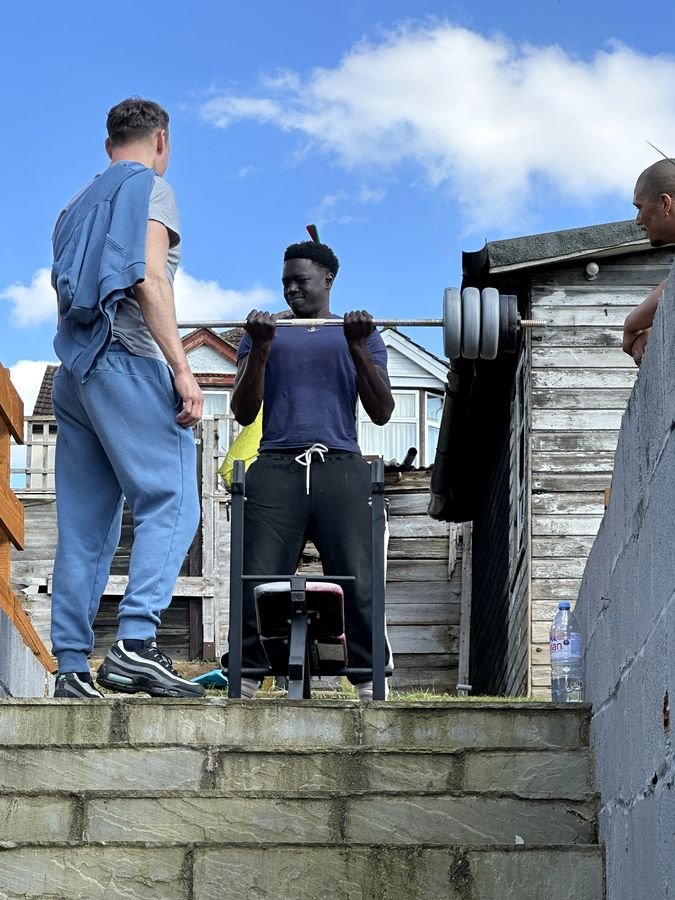
One of his personal goals was returning to the gym. With ongoing encouragement, exercise is now part of his weekly routine — he has gained lean muscle, looks healthier and carries a renewed sense of confidence.

For Casey, the gym isn’t simply about fitness. It has become part of his recovery — an outlet for stress, and a place to focus on his future rather than his past.

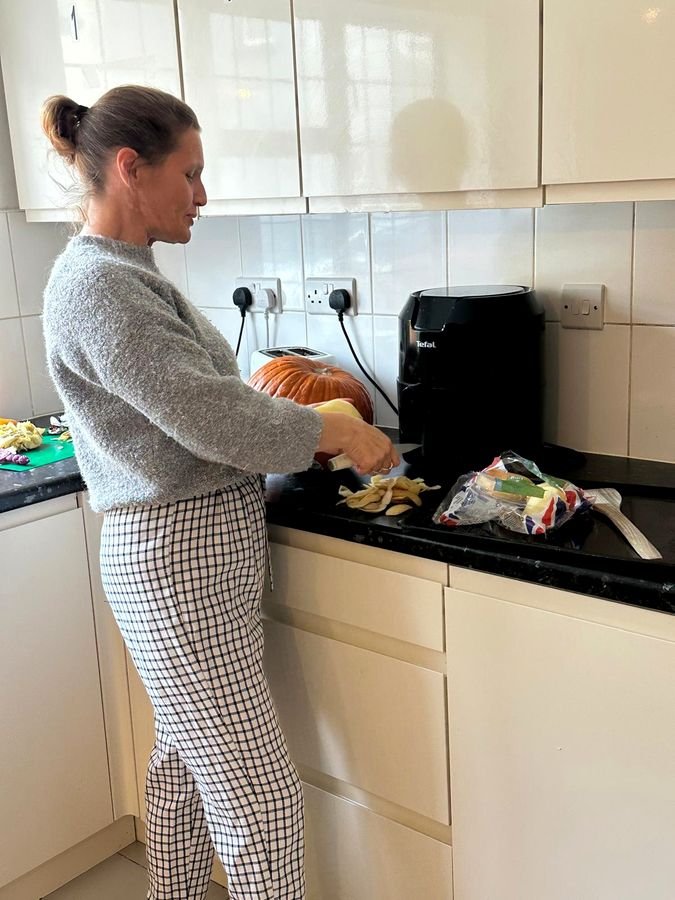
Alongside his physical health, Casey has almost completed his community service and begun to heal his relationships — rebuilding communication with his mum and forming genuine friendships that replaced the negative influences which once fed his addiction. Our support has also focused on independence: budgeting, cooking, managing finances and preparing for employment.

Perhaps the greatest change has been in Casey himself. He now speaks openly, engages in support and asks for help when he needs it. Most importantly, he believes in himself again — proof that, with the right support, lasting change is possible.

The difference our support made
  • Cocaine-free for 5+ months
  • Significantly reduced alcohol use
  • Regular exercise replacing old habits
  • Improved physical health & confidence
  • Nearly completed community service
  • Rebuilt communication with his mother
  • Positive friendships within the community
  • Learned budgeting, cooking & life skills
  • Improved emotional wellbeing & resilience
  • Real steps toward an independent future
Heroin-free since discharge

Connor’s story

Finding hope again through trust, routine and purpose.

Built through hundreds of small moments — five steps in Connor’s recovery.

Connor, 34, arrived at Tranquil Minds at one of the lowest points in his life. Living with the long-term effects of a serious road traffic accident, he experienced chronic pain every day following surgeries that left permanent nerve damage — compounded by depression, family breakdown, substance misuse and overwhelming isolation.

By the time he joined us, his mental health had deteriorated significantly and he had become increasingly reliant on substances to cope. Following a severe deterioration in his wellbeing, Connor was admitted under the Mental Health Act for his own safety. When he was discharged, it was clear he needed more than accommodation — he needed consistent, trauma-informed support from people who would not give up on him.

Our team immediately implemented an enhanced support plan. Working alongside ORB Drug & Alcohol Services, probation, his GP and mental health professionals, we increased one-to-one sessions, daily welfare checks and coordinated support. Rather than judging his past, we focused on understanding what had happened to him.

One of the biggest barriers was trust. Instead of expecting immediate change, staff invested time in a genuine therapeutic relationship through consistency, patience and honest conversations. Slowly, Connor began opening up about his struggles, his hopes and the life he wanted beyond addiction.

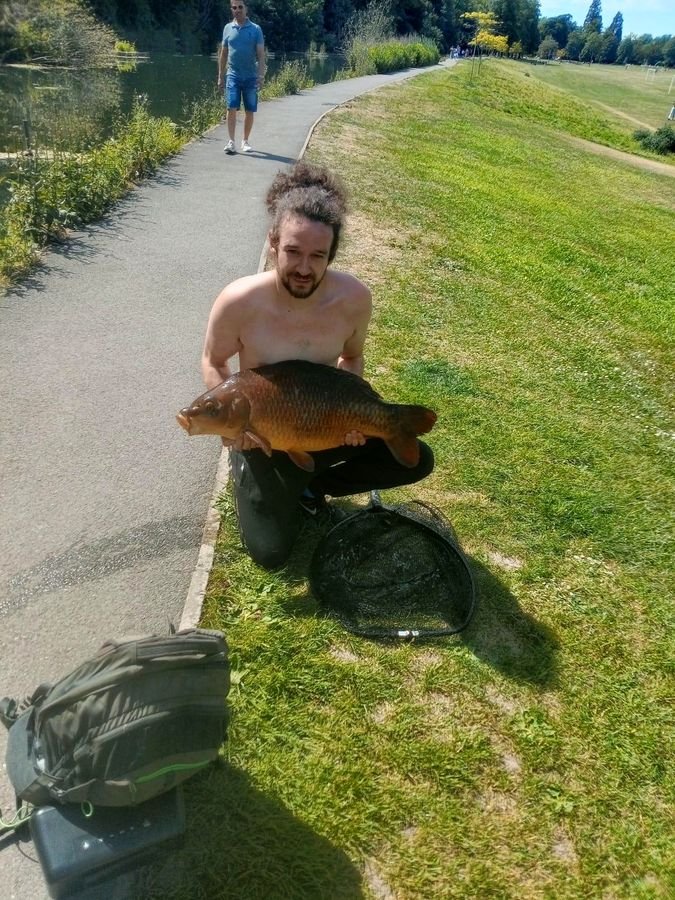
As trust grew, so did his confidence. Connor has remained free from heroin since being discharged from hospital — a significant milestone — and continues to engage positively with specialist services. Encouraged to spend less time isolated, he returned to a lifelong passion: fishing. Recently, he proudly sent our team a photo of a fish he had caught.

To many it might seem a simple moment. To us it meant something much bigger — someone replacing destructive coping mechanisms with healthy ones, rebuilding routine, and taking pride in himself again.

The changes have extended beyond Connor himself. He communicates far more openly and has rebuilt relationships with his mother and siblings, giving him a stronger support network and reducing the isolation that once harmed his mental health. He smiles more, and talks about the future rather than simply surviving each day.

For Tranquil Minds, Connor’s journey is a reminder that recovery is rarely about one life-changing intervention. It is built through hundreds of small moments — a welfare check, a conversation over a cup of tea, encouragement to pick up a fishing rod instead of old habits. Someone believing in you until you begin believing in yourself again.

Outcomes

Before Tranquil Minds

  • Admitted under the Mental Health Act
  • High risk from substance misuse & distress
  • Isolated from family, struggling to communicate
  • Chronic pain affecting daily functioning
  • Little routine, unhealthy coping mechanisms

Since receiving support

  • Heroin-free since discharge from hospital
  • Engaging with recovery, probation & specialists
  • Much improved communication & trust
  • Re-engaged with healthy hobbies, including fishing
  • Improved relationships with mother & siblings
  • Greater emotional stability and optimism
  • A sustainable recovery built on purpose
From isolation to independence

Joe’s journey

“My confidence has grown. My relationship with my mum and dad has grown massively.”

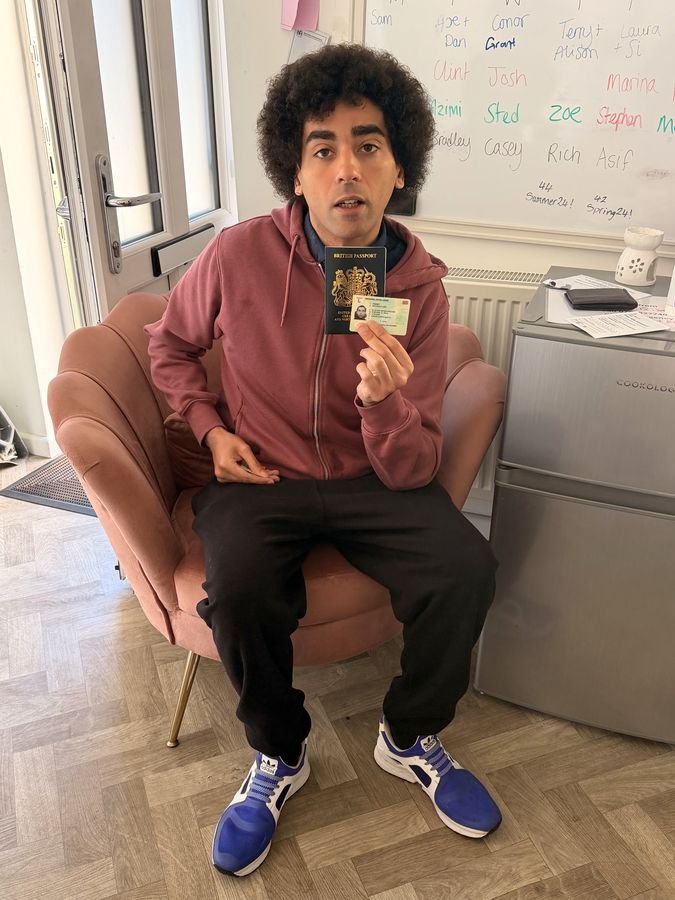
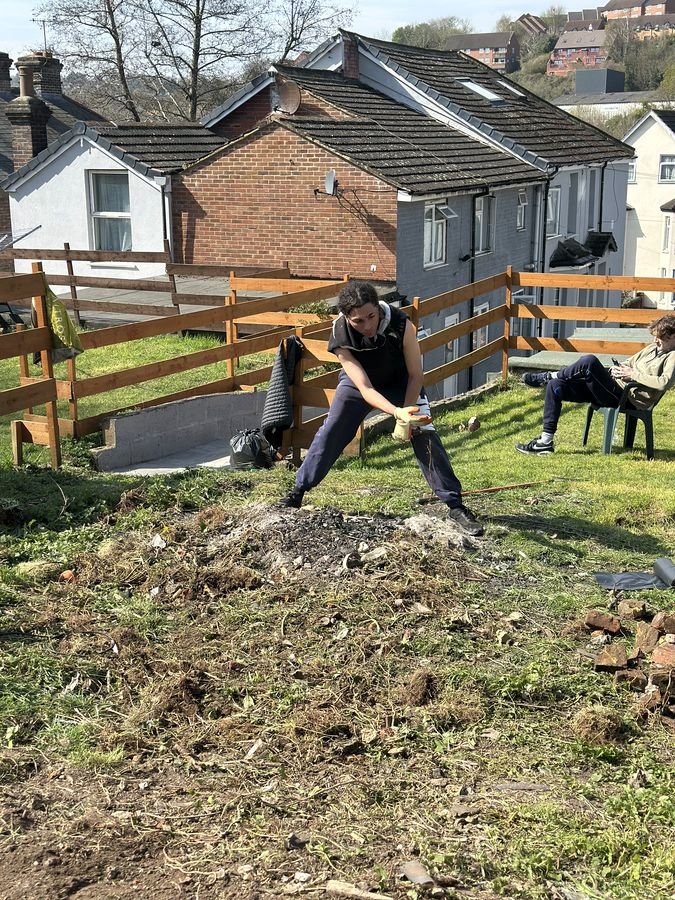
Four moments from Joe’s journey — from having no ID and no contact with family, to a seat back at their table.

When Joe arrived at Tranquil Minds, he was living with the lasting effects of trauma and extremely low confidence. Everyday situations most of us take for granted felt overwhelming, and he had become increasingly isolated.

The deepest wound was the breakdown of his relationship with his adoptive parents. Contact had become very limited, and Joe had lost hope that those relationships could ever be repaired.

He also faced hard practical barriers: no usable identification, no birth certificate and no bank account — making it almost impossible to access services, manage money or move toward independence. Left unaddressed, those barriers alone could have trapped him in a cycle of dependency and isolation.

From the outset, our approach focused on understanding Joe as an individual, not simply housing him. Through regular one-to-one sessions and patient encouragement, staff helped him rebuild confidence at a pace that felt safe and achievable.

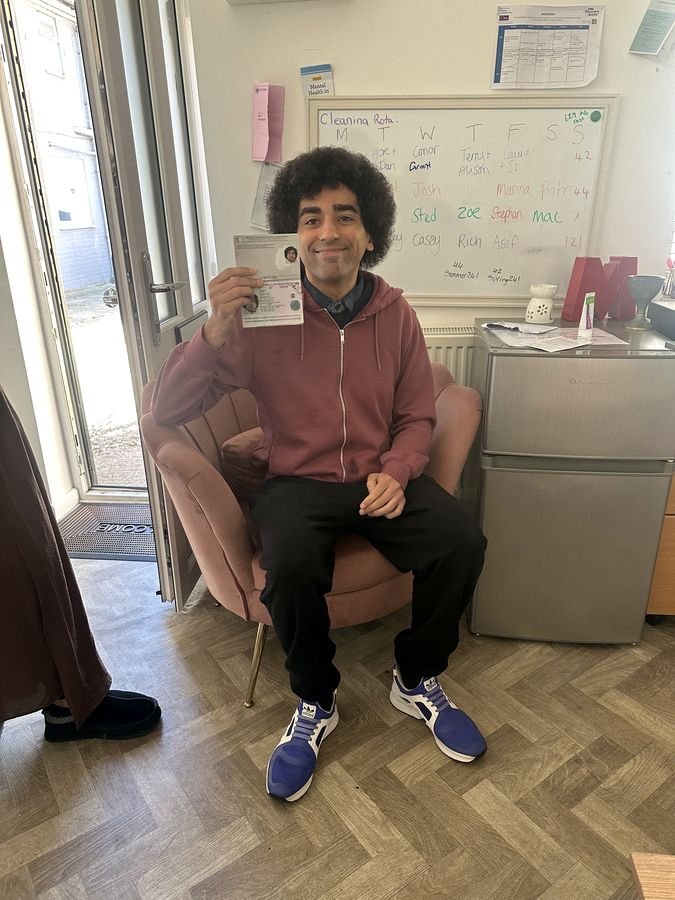
The hardest piece of work was replacing his lost identification — a lengthy advocacy process spanning many months, numerous organisations, repeated applications and appointments. Our staff stayed with it throughout, so that Joe never faced any of it alone. Once his ID was finally secured, we supported him to open his first bank account, giving him real control over his finances and his future.

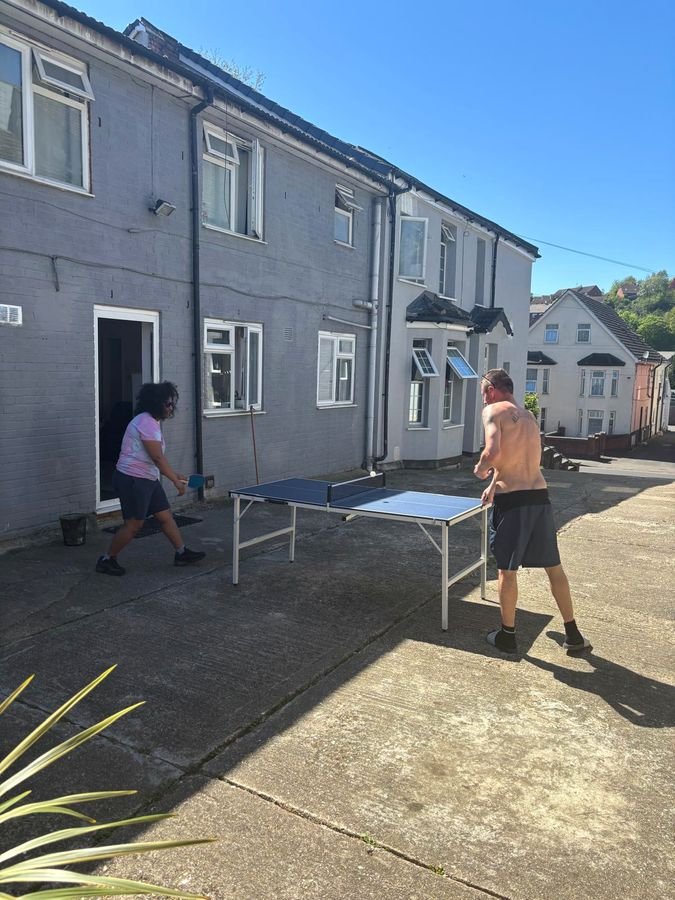
Alongside the practical work, Joe took part in gardening projects, helped improve the communal outdoor spaces, built life skills and began using our outdoor gym. Every achievement, however small, became another step in rebuilding his confidence.

As Joe’s confidence grew, something remarkable began to happen — the relationship with his parents started to heal.

With encouragement from staff, communication slowly increased until Joe felt ready to reconnect. One of the proudest moments for everyone involved came when we supported Joe to spend Christmas with his adoptive parents. After years of separation, the family were reunited around the dinner table.

For Joe, it meant far more than a Christmas visit — it was hope, belonging, and the rebuilding of relationships that had once felt beyond repair. Those connections continue to strengthen: he has since been invited to his brother’s wedding in China, an opportunity he once believed impossible, and has developed the confidence to travel independently.

In Joe’s own words

Since I’ve been with Tranquil Minds I’ve been able to get over my traumas. My relationship has grown massively with my mum and dad because of the opportunities provided to me by TM. My confidence has grown. They helped me get ID and open a bank account.

— Joe

Outcomes
  • Rebuilt his relationship with his adoptive parents
  • Obtained identification after a long advocacy process
  • Opened his first bank account
  • Increased confidence and self-esteem
  • Developed practical, independent-living skills
  • Engaged in gardening, wellbeing and fitness activities
  • Gained the confidence to travel independently
  • Invited to his brother’s wedding overseas
  • Continues to build a positive, independent future
130+ days free from crack cocaine

Stephen’s journey

“I never thought I’d make it this far.”

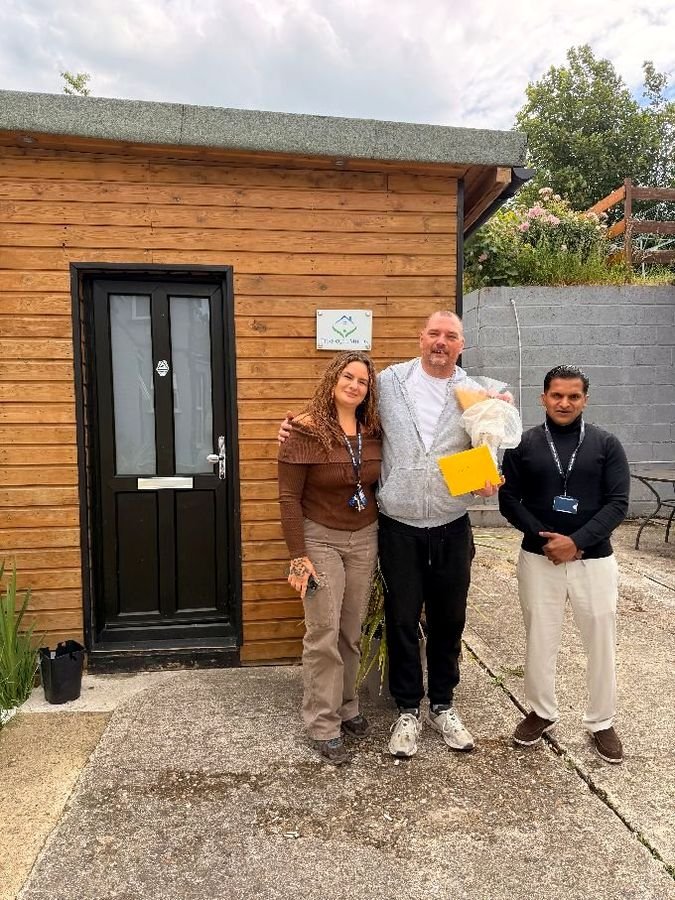
Celebrating recovery, restoring hope — four moments from Stephen’s journey.

When Stephen arrived at Tranquil Minds, he had spent many years battling crack cocaine addiction. Long-term substance misuse had affected every part of his life — his mental wellbeing, his confidence, and his belief that recovery was even possible.

His journey was not straightforward. The early weeks brought real challenges as he adjusted to a new environment and began rebuilding routines that addiction had disrupted for years. Behind the addiction was someone who had lost confidence in himself and struggled to imagine a different future.

From the outset, we provided far more than safe accommodation. Through regular one-to-one sessions, wellbeing checks and practical guidance, staff worked alongside Stephen with patience, trust and encouragement — helping him establish healthier daily routines and hold on to his focus.

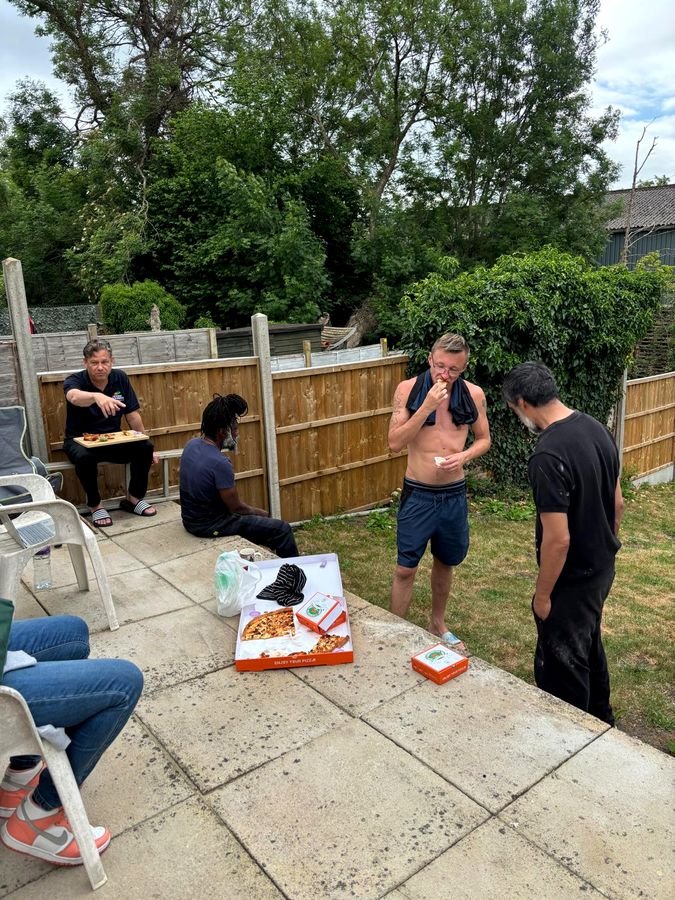
He was encouraged into activities that supported both body and mind: communal events, time in the outdoor gym, and social occasions that reduced isolation and built genuine relationships with staff and fellow residents. Recovery was never treated as a single achievement, but as a series of small, meaningful steps — and every positive decision was recognised.

Recovery is built one day at a time. Every milestone represents courage, determination and the right support at the right time.

One of the proudest moments came when Stephen reached an extraordinary milestone: 130+ consecutive days free from crack cocaine. To mark the commitment and resilience behind it, our team presented him with flowers and a gift card.

The gesture was simple, but the message was powerful. For someone who had spent years believing success was out of reach, being recognised for his progress reinforced that his hard work mattered — and that every sober day was worth celebrating.

That milestone represented far more than the passing of time. It marked renewed confidence, improved wellbeing, and the belief that lasting recovery was genuinely achievable. Stephen continues to build on those foundations, proving that with the right support, encouragement and personal determination, meaningful change is possible.

Outcomes
  • 130+ consecutive days free from crack cocaine
  • Established healthier daily routines
  • Improved mental wellbeing and emotional resilience
  • Increased confidence and self-belief
  • Engaged positively with staff and fellow residents
  • Took part in wellbeing, exercise and community activities
  • Strengthened motivation for long-term recovery
  • Continues to progress toward greater independence
Why this matters

Stephen’s story shows that recovery is not achieved through accommodation alone. Sustainable change happens when safe housing is combined with compassionate, consistent support that helps people rebuild confidence, develop healthy routines and celebrate progress along the way.

Every milestone — one week, one month or one hundred days — is a significant achievement. By investing in people as individuals and acknowledging every step forward, we help build the confidence and resilience needed for lasting recovery and independent living.

— Stephen

Six months without reoffending

The gym that changed everything

He kept telling us the same thing: exercise was the one thing that quieted his thoughts.

How a room of second-hand equipment helped one resident break a cycle of custody, crisis and homelessness.

AG came to us through probation, straight from prison. He lives with paranoid schizophrenia and had spent years in unstable environments — a long history with the criminal justice system, repeated homelessness, and patterns of behaviour shaped by survival rather than stability.

Shortly after moving in, he reoffended through shoplifting and received a short custodial sentence. At that point there was a real risk he would be released back into homelessness — the very cycle that had defined his life.

We made a decision that mattered more than it might sound: we held his room while he was in custody. Losing his accommodation at that moment could have meant a sharp deterioration in his mental health and a near-certain return to offending. Instead, he had somewhere safe to come back to.

When he returned, staff focused on rebuilding trust — regular keywork sessions, encouragement to engage with mental health services, support with routine, and close collaboration with probation.

In those conversations, one thing came up again and again. AG wanted to go to the gym. He explained that exercise helped him quiet his thoughts and manage his anxiety. But like many of our residents, he had very limited money and struggled with budgeting — a commercial gym membership was simply out of reach.

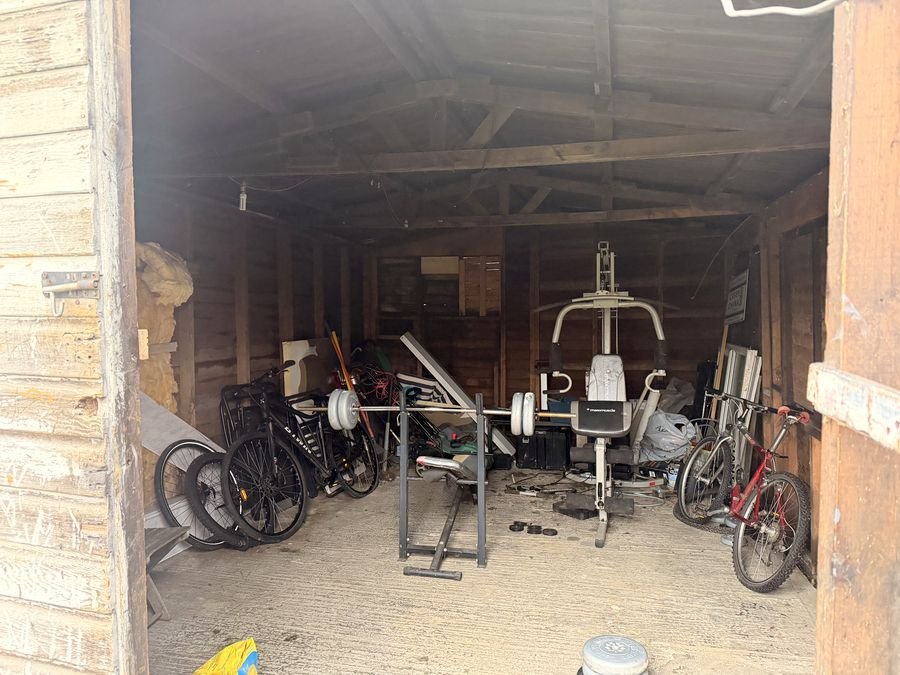
So we built one. Using what limited resources we had, the team sourced second-hand equipment and made a small exercise space inside the property.

It was basic. But it was his — a safe place to train, on site, whenever he needed it. And the change was noticeable almost immediately.

Exercise gave him structure, and structure steadied everything else. Staff saw improvements in his mood and emotional regulation. Time spent training was time not spent outside the property with the negative influences that had shaped his past. He began engaging far more openly in keywork sessions and talking about his future.

The most significant outcome speaks for itself: since returning to Tranquil Minds and training regularly, AG has not reoffended in over six months — a profound shift from a life of repeated contact with the criminal justice system.

His progress shows something we see again and again: recovery is rarely built through big interventions. It's built through consistent, accessible opportunities that offer dignity, wellbeing and structure — delivered somewhere stable enough for them to take root.

Outcomes
  • Six months without reoffending
  • Established daily structure and routine
  • Improved emotional regulation and mood
  • Reduced time around negative influences
  • Increased engagement with keywork and support planning
  • Greater confidence and motivation
  • Better communication with staff and residents
  • Improved willingness to engage with mental health services
Why this matters — and what’s next

Our current gym is extremely limited and cannot safely support multiple residents. We want to convert an existing outdoor building into a fully functional, safe on-site gym accessible to everyone we house — improving physical and mental health, giving people a positive outlet for stress, encouraging routine, and supporting long-term stability and reduced reoffending.

AG’s story is the evidence. A room of second-hand weights changed the direction of one man’s life. Imagine what a proper facility could do.

Support the Recovery Gym

If you, or someone you love, needs support

You don’t need to have it all figured out to reach out. Our team is ready to listen and help you take the first step, whenever you’re ready.

Make a referral

Names have been changed or used with permission to protect the privacy of the people we support.